

There's a silent virus spreading through the entire tech industry but most people don't seem to notice. Or perhaps we don't want to notice, in fact most people welcome it with open arms. It infiltrates conference rooms and Slack channels, masquerading as innovation and whispering false promises of growth.
Funny enough, this "virus" has claimed more victims than any economic downturn ever has. From strangling promising startups to ruining established products, it all starts with a single little innocent phrase: "Can we just add...?"
The Feature Creep
They call it feature creep, but that's the polite corporate term that doesn't capture the madness of what actually happens. I've watched it so many times. At first, the product starts clean, elegant and focused. A small team poured their hearts into solving one problem really damn well.
But that's where it all just begins.
One user will write: "I love your app, it's so elegant but if you could add just this one feature, I'd love it even more."
Another customer's feedback: "... I would use your app, if you'd only have this integration..."
But it's not just your users, it's your team too. Engineers, product managers, marketing, sales, everyone wants to be a part of it, rightfully so. Everyone has ideas on how to make it better. "If we would only have this feature, we'd be growing at twice the rate."
Each request and idea sounds perfectly reasonable in isolation. That's why we end up saying yes to most of them. Because we like to make our customers happy. Someone asks, we deliver. It's in our nature to be people pleasers. This is called building by committee and it's more common than you think.
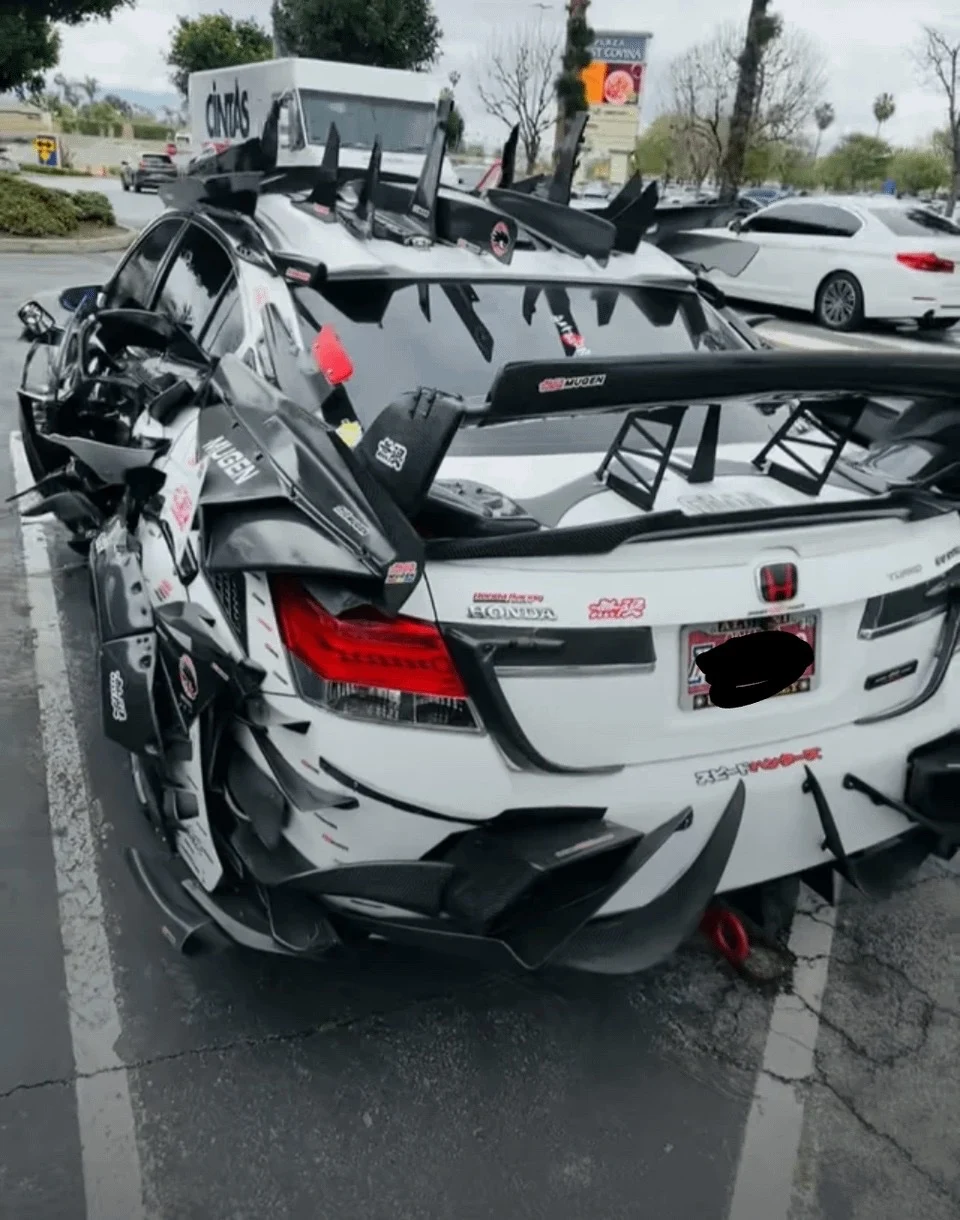
I watched a startup build the most beautiful calendar app you've ever seen. Minimalist. Intuitive. Perfect. Six months later it looked like the cockpit of a 747. And that's just one of hundreds of examples.
Every app inevitably ends up the same way as the app it aimed to replace.
The lie we tell ourselves
"More features mean more value" we say to ourselves, like addicts justifying another hit. This is even more prevalent in today's time. Everyone's just racing to add new features, almost on a weekly basis if not even more frequent. It's so much that at this point most companies are shipping half baked features, just to keep up with everyone else, because if you're not shipping something new everyday, are you even alive?
But that's not what users really want, even if they might say that's what they want. The reason they fell in love with the beautiful simplicity of an app that does one or two things really well is because it stood in contrast to all the other monsters of apps.
And that's really the funny part of it all. A new app is often born to be "the antidote" to the mess that came before. Simple, focused, elegant. Finally a good solution. The one that's meant forever. And then one year later, this new app has now become the same thing it once tried to replace. Then the circle starts all over again with a new app. I see it happening all the time and you can't escape the irony of it all.
The truth is, sometimes it's not even our users or team. It's us who can't restrain ourselves. The moment we have a minute of quietness we want to fill it with something. We can't sit still, that's why we start working on the next feature, and then the next and the next. It's the curse of all designers and engineers.
The real cost
Feature creep doesn't just clutter interfaces, it kills the "soul." Engineers and designers spend their entire day just maintaining features nobody or barely anyone uses while the core product keeps rotting away. Every new addition is another point of failure, another support ticket, another reason for users to abandon ship and find something that feels more simple, more focused, again.
The marketing team will struggle to explain what the product actually does because it will end up doing too many things, all of them poorly. Eventually after everyone pitched in their ideas and "got what they wanted," the product is dragged in a thousand directions but feels like going nowhere. The codebase becomes a mess, the user experiences becomes disjointed and the vision..... what vision again? Nobody knows anymore at this point.
In the end, users abandon your product, and even your own team, the one that worked so hard on adding new features becomes alienated from their own monster they created.
The Antidote
Fighting feature creep requires the same amount of discipline as staying sober. Basically constant vigilance and the willingness to say NO to things that feel good and promising in the moment but will destroy you in the long run.
In my role as the product manager or CEO, when someone suggests a new feature we have to always ask the hard questions:
Does this new feature serve our core purpose?
Can we accomplish the same goal by improving what we already have?
Does this new feature fit into our long-term vision? 2 years from now? 5 years from now? 10 years from now? Where does it fit in? Can we truly stand behind it?
What is the true cost of developing this feature? What are the maintenance costs associated with it in the long run?
What is the true benefit of shipping it? Are we inflating its importance?
Does it perhaps make more sense to remove something instead of add something?
The truth about less
The hardest thing about product design isn't adding features, any intern can do that (no offense to interns, we love you!). The hardest thing is knowing what to say NO to.
It takes a good amount of experience and trust in yourself to disappoint stakeholders with their feature requests (your users, your team, your investors), even ignore what competitors are shipping and trust that doing fewer things exceptionally well beats doing many things not so well.
Users don't remember products that tried to be everything. They remember products that solved their specific problem perfectly, then got out of the way.
So next time someone suggests adding "just one more feature," remember: Every great product is defined not by what it includes, but by what it has the courage to exclude.
Restraint is a feature and not a limitation.
And as Steve Jobs famously said:
“People think focus means saying yes to the thing you've got to focus on. But that's not what it means at all. It means saying no to the hundred other good ideas that there are. You have to pick carefully. I'm actually as proud of the things we haven't done as the things I have done. Innovation is saying no to 1,000 things.”
Feature creep is a choice. Choose wisely. (:
Yours truly,
Tobias